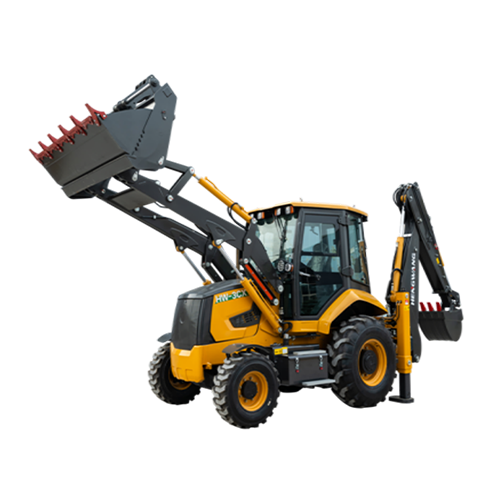
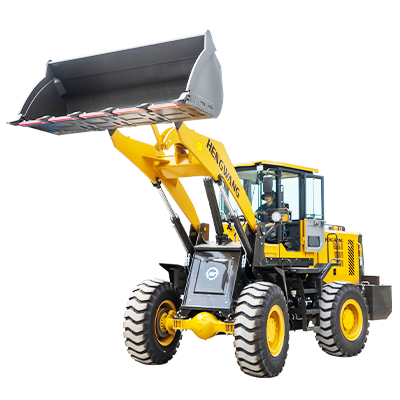
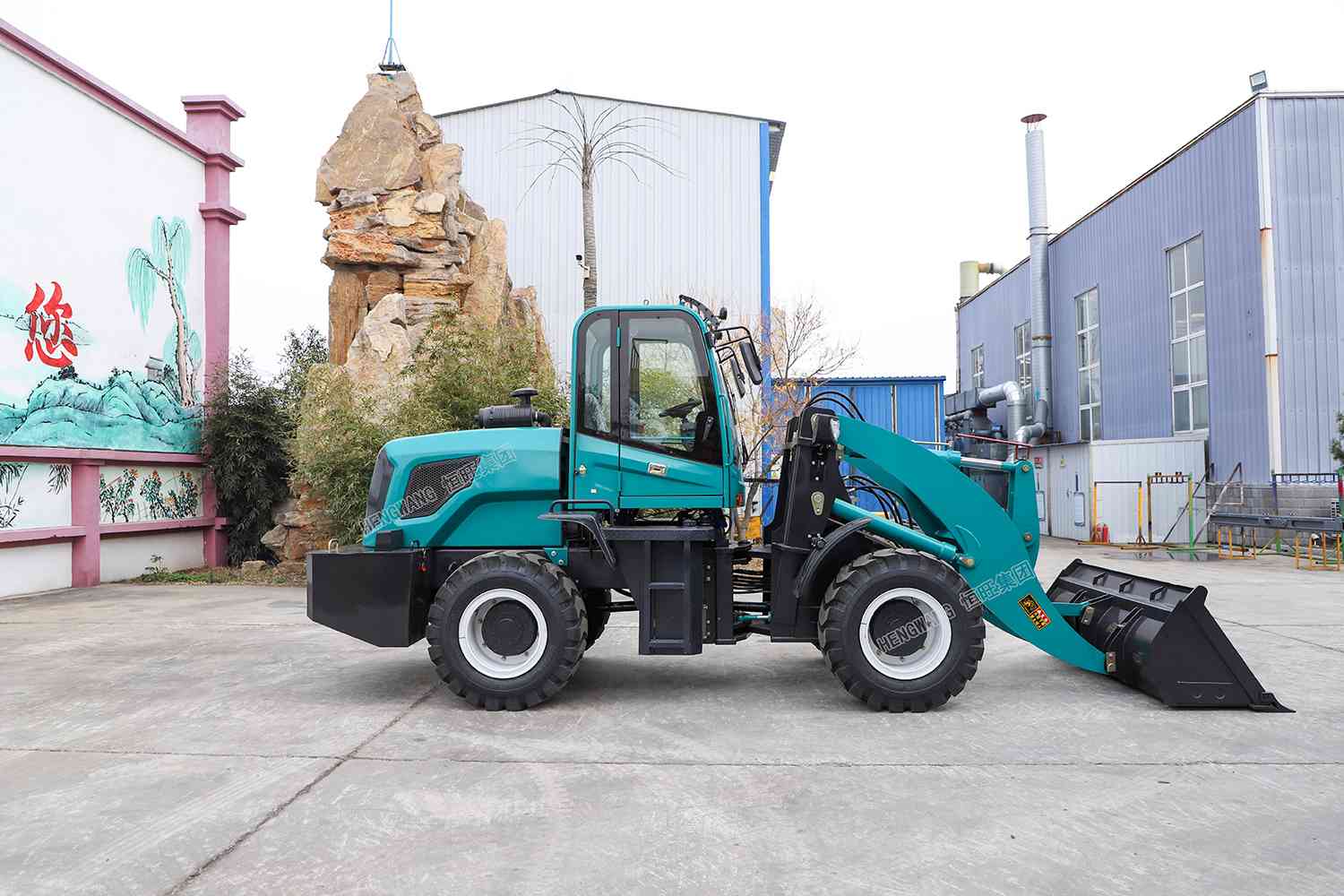
Using small loaders to carry out cargo - handling work is not a simple operation. The core principle is to strictly follow the load - bearing capacity of the loader. Overloading is extremely harmful. It will not only accelerate the wear and damage of loader components but also greatly increase operation risks, threatening the safety of personnel and property. The following details the key points of cargo handling during loader operations.
I. Special - Scenario Operation Norms
When the carried goods exceed the driver's field of vision, the method of "person in front, vehicle behind, and pulling for guidance" should be adopted. It is strictly forbidden to "have the vehicle first and the person behind, and push forward", so as to avoid hitting people or objects. At the same time, the loader must not carry ultra - high goods on uphill/downhill roads or roads with uneven slopes and heights. Under such road conditions, the center of gravity of the goods is difficult to control. A little operation error may cause a rollover. When encountering three - dimensional ultra - high goods, special personnel should be arranged for monitoring. During driving, sudden changes in direction and sudden braking should be avoided to prevent the goods from tipping over and getting out of control.
II. Inspection of Goods Before Loading
Before the goods are loaded into the loader, it is necessary to accurately confirm the net weight and the center - of - gravity position of the goods. The load - bearing range of the forks (or bearing structures) of the loader is limited. Once overloaded, it is easy to cause the materials to overturn. At the same time, the size of the goods or pallets should be suitable. If they exceed the forks too much, it will damage the balance of the loader, greatly reduce the operation stability, and increase the probability of dangers such as rollover.
III. Inspection of Shelf Status
Before operation, the condition of the loading shelf should be carefully inspected. Focus on its compressive strength and safe load - bearing capacity. If the shelf has damages such as broken pallets, it must not be put into use. A qualified and stable shelf is the basic guarantee for the safe operation of the loader and can effectively avoid accidents such as goods falling and shelf collapse.
IV. Strapping and Stacking of Goods
It is very important to strap and stack the goods firmly and standardizedly. Raw materials should be neatly stacked. For boxed goods, the standard of "larger at the bottom, smaller at the top; heavier at the bottom, lighter at the top" should be followed. Take a 5 - ton loader as an example. When the height of the carried goods exceeds 1.5 meters, binding must be strengthened to prevent the goods from scattering and tilting during handling and ensure the stability of the loader during driving and operation.
V. Transportation of Bulk and Small - Weight Goods
When transporting bulk goods or small - weight items, more attention should be paid to preventing the goods from toppling. When transporting pallets, wires, etc., protection should be done well to avoid injuring personnel or damaging surrounding items. In addition, there is a strict limit on the number of transported pallets, generally not exceeding 15, to prevent the pallets from rolling down during going up/down slopes and driving, causing safety accidents.
Small loaders play an important role in various operations. Standardizing operations, paying attention to details, and strictly implementing the above points can make loaders operate efficiently and safely, build a solid safety foundation for engineering and handling tasks, extend the service life of equipment, and create more value.